
See Deck Stain Colors on a Photo of Your Own Deck
Upload a photo of your deck or fence, describe the stain, and the AI restains the wood in your photo. Compare cedar, walnut, gray, charcoal or a two-tone deck against your real house, railings and yard before you buy a gallon.
Free account required. New accounts in most countries get free credits for up to 2 renders (watermarked), then paid plans.
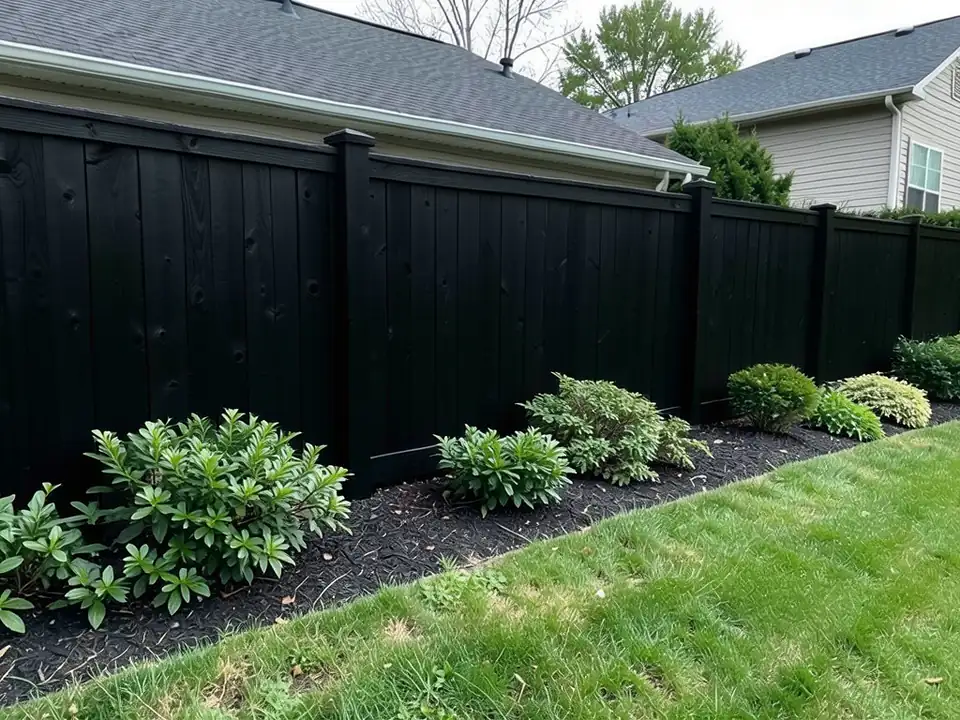
Deck and Fence Stain Colors Before and After
AI-generated sample edits. The before photos are AI-generated sample decks and fences; the yard, camera angle and light stay the same and only the stain color changes.
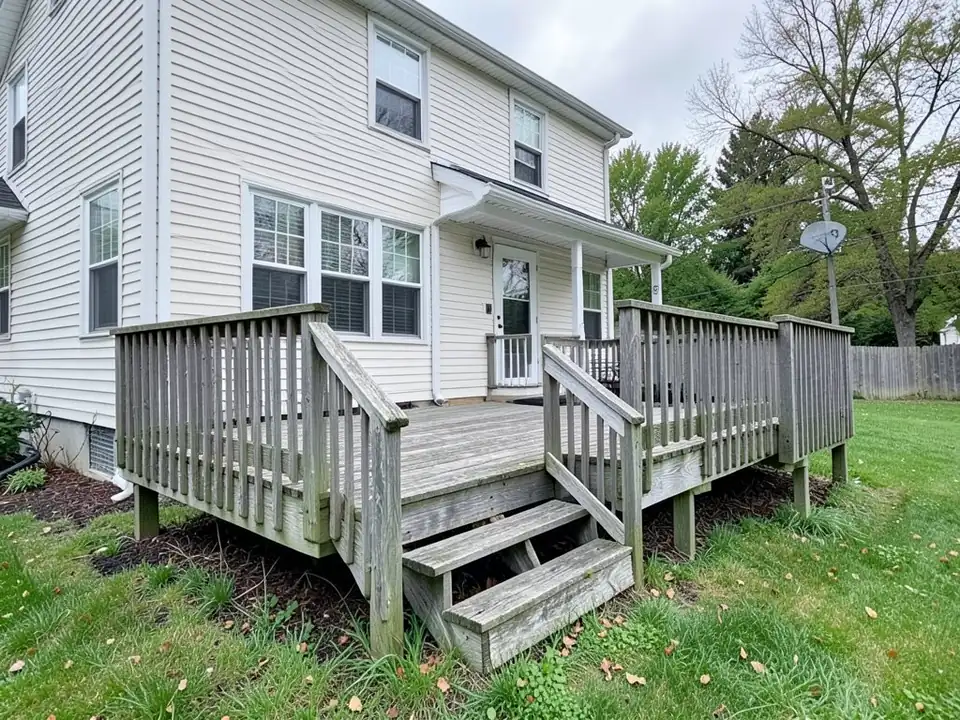 Before
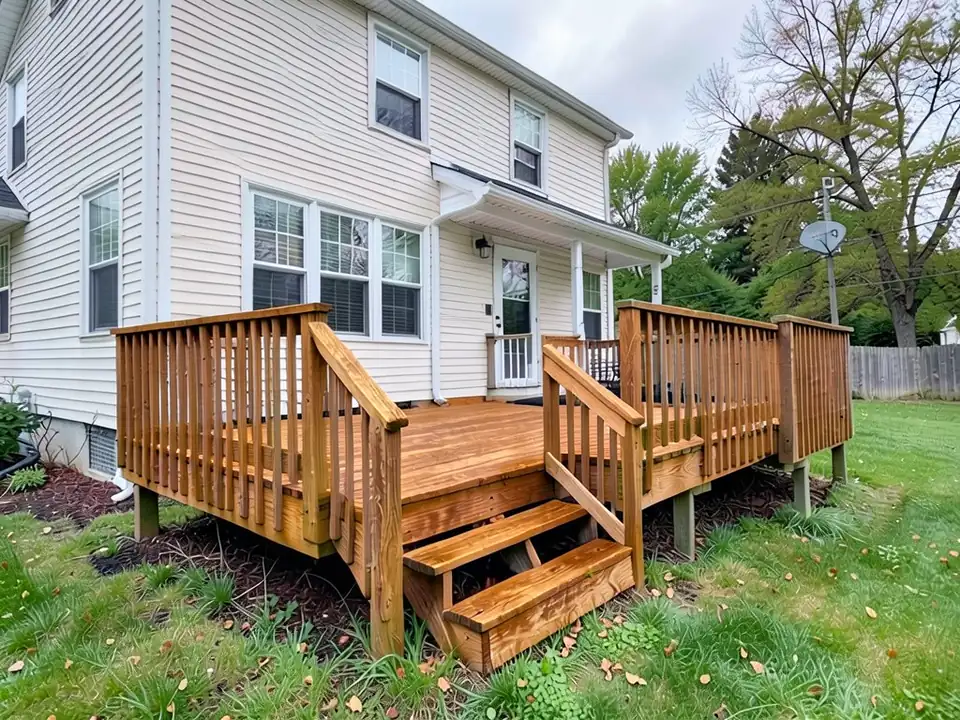 After
After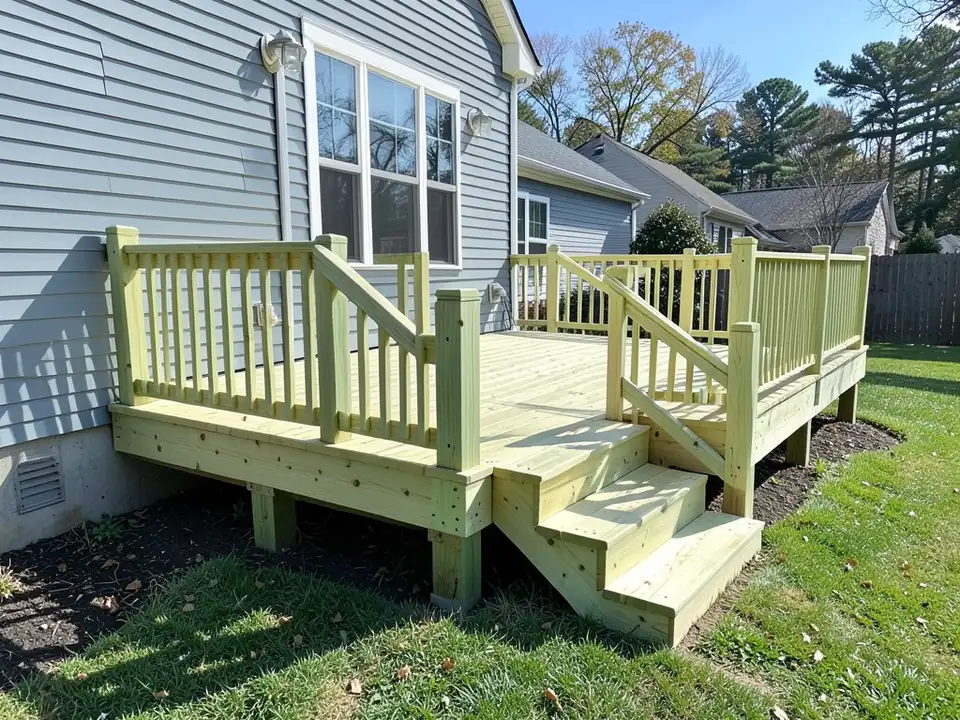 Before
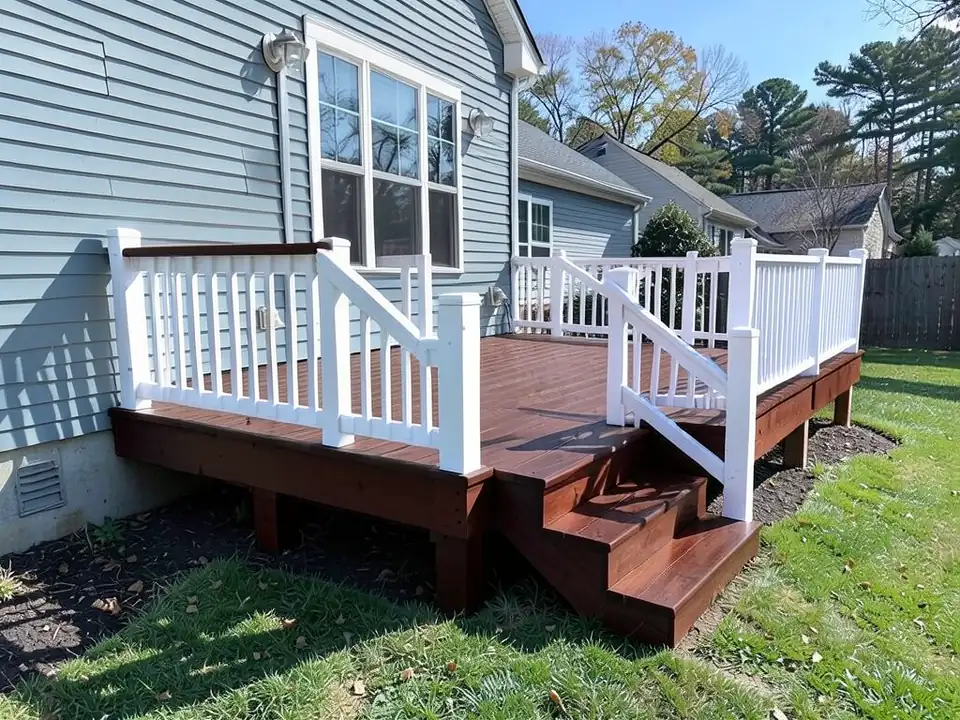 After
After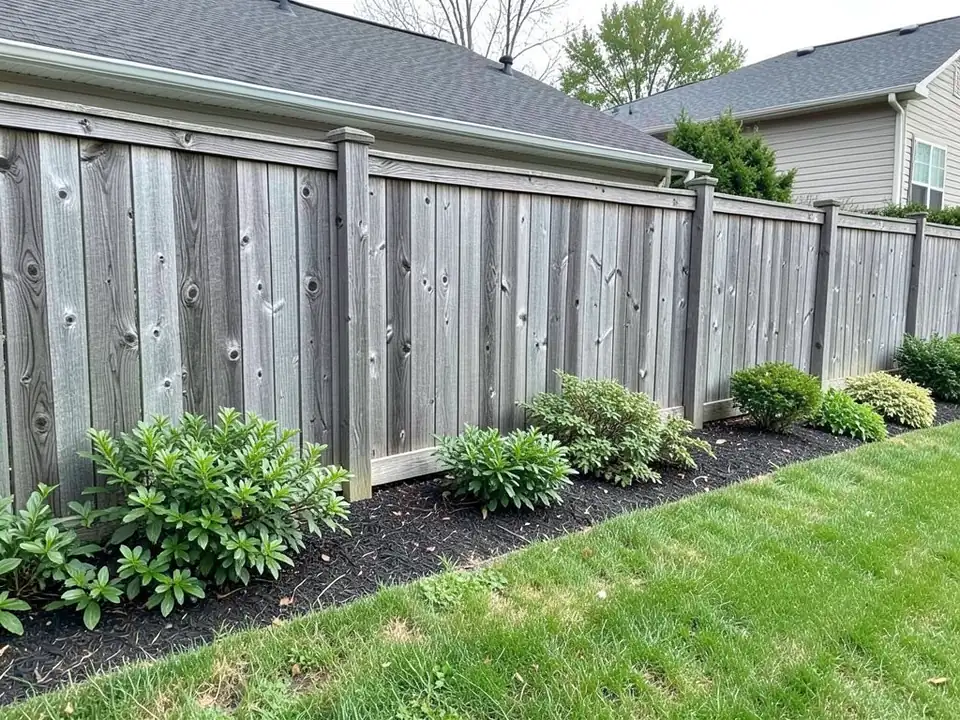 Before
 After
AfterHow to Preview a Stain Color on Your Deck
- Take one clear photo. Step back far enough to get the whole deck floor, the railings and a bit of the house in the frame. Shoot in daylight when the boards are dry; overcast light gives the most honest color.
- Open the paint tool in Custom mode. Upload the photo and write what to stain and what to keep, for example: "restain only the deck floor, stairs and railings in a semi-transparent warm cedar brown with the wood grain visible, keep the house, windows, lawn and furniture the same". For a two-tone deck, name each part: "dark walnut floor boards, solid white railings and balusters".
- Compare three or four options. Download each render and look at them side by side, ideally on the device you will show your partner or contractor. Then buy samples of the winner and a runner-up and brush them on a spare board or a hidden corner of the deck.
Popular Deck Stain Colors and When They Work
- Natural, clear and cedar tones. Honey, cedar and light amber keep the deck looking like wood. They suit newer boards in good shape and houses in white, cream, gray or blue. Light tones hide dust and stay cooler underfoot, but they also show every gray patch on older wood.
- Warm browns: chestnut, walnut, mahogany. Brown is one of the most popular deck colors because it works with almost any siding and landscape. Mid browns hide dirt and pollen well. Very dark browns look rich but get hotter in full sun and show fading on the sunniest boards first.
- Grays: driftwood, weathered gray, slate. A modern, coastal look that suits gray, white and navy houses and black window frames. Gray is forgiving as it ages. Check the undertone: a warm greige suits beige or brick houses better than a cool blue-gray.
- Charcoal and black. Popular for modern houses and for fences, where a dark color makes the boundary recede and plants pop. On a deck floor, dark colors absorb a lot of heat, so they work best on shaded decks or as a railing color.
- Two-tone decks. A darker floor with lighter railings (or the reverse) is a classic way to make a deck look finished. Common pairs are walnut with white, gray with black and cedar with white. The floor takes the most wear, so give it the darker color, which hides scuffs and dirt better.
Start from what is not changing: the siding, the roof, any brick or stone and the fence next door. A common rule of thumb is to match the trim or go one shade darker than the house body. If the house itself needs a new color, see the exterior paint visualizer, and for a quick change people see from the street, try the front door color visualizer.
Transparent, Semi-Transparent, Semi-Solid or Solid?
The same color name looks very different at each opacity. Pick the opacity from the condition of your wood, then pick the color.
Clear and transparent
Shows almost all of the grain and natural color. Best on new or premium wood that already looks the way you want. It wears fastest, so expect to recoat more often.
Semi-transparent
The classic deck look: a clear tint with the grain still visible. Works on new and lightly weathered wood once it is cleaned. On gray, patchy boards it can look blotchy.
Semi-solid
Hides most of the color differences between boards while a little texture shows through. A good middle ground for a deck that is a few years old.
Solid
Covers the wood like paint but still lets it breathe. It hides old stain, mismatched boards and graying, and comes in the widest range of colors. On a busy deck floor it can show scuffs and may peel, so it needs more upkeep.
Why the Same Stain Looks Different on Your Wood
- Pressure-treated pine starts with a green or yellow cast, which shifts lighter stains toward olive. New treated lumber is often too wet to take stain right away: sprinkle a few drops of water on a board, and if they bead instead of soaking in, wait longer.
- Cedar and redwood are already orange to red, so a brown stain reads warmer on them and a gray stain can look slightly pink.
- Old, gray wood absorbs stain unevenly. Cleaning and a wood brightener bring back a more even base; otherwise a semi-solid or solid stain is the safer choice.
- Sun and shade change everything. A sunny floor and a shaded railing can look like two different colors, so judge samples in both.
Fence Stain Colors: Same Tool, Different Rules
A fence is a long, vertical surface that you see from the house and the street, so color reads stronger than on a deck floor. Natural cedar and warm brown keep a traditional look. Gray suits modern and coastal houses. Charcoal and black make a privacy fence fade into the background, which makes plants, lighting and lawn stand out, as in the third example above.
Before you commit, check any HOA rules on fence colors, and remember the neighbor sees the other side. Upload a photo of the fence run and write "stain only the fence boards, rails and posts in solid charcoal, keep the plants and lawn". If the deck and fence are in the same view, decide whether they should match or contrast and render both versions.
Prep and Testing That Make a Stain Color Last
- Clean the wood with a deck cleaner and rinse well. Very high pressure can raise the grain and gouge soft wood.
- Use a brightener after stripping or cleaning old, gray wood so the new color goes on an even base.
- Replace rotten boards and set popped nails or screws before you stain, not after.
- Let the wood dry fully, and stain in the temperature and weather range on the can, out of hot midday sun.
- Test the chosen product on a spare board or hidden spot and look at it dry, in the morning and the afternoon.
- Stay in the same family when you recoat: going from solid back to semi-transparent, or to a lighter color than the old stain, usually means stripping first.
Deck Stain Color Visualizer FAQ
Is the deck stain color visualizer free?+
You need a free account to generate. New accounts in most countries get enough free credits for up to 2 renders, and free renders carry a small watermark. Paid plans on the pricing page give more renders without the watermark.
Do I need to sign up?+
Yes. Rendering requires an account so your credits and results are saved. You can sign in with Google or with a one-time code sent to your email.
Can I type a Behr, Cabot, Olympic or Sherwin-Williams stain name?+
You can type any name, but the AI does not look up brand stain codes or color charts. Describe the color in plain words as well, such as "semi-transparent warm cedar brown" or "solid dark charcoal gray". Treat the render as a preview of the look, then confirm the exact product on a test board.
Does it work for fences, pergolas and railings too?+
Yes. Upload a photo of the fence, pergola, railing or outdoor furniture and say which part to stain, for example "stain only the privacy fence boards and posts in solid black, keep the plants and lawn".
Will it keep my house, lawn and furniture the same?+
Usually. The tool is an AI image edit, so name what must stay: "restain only the deck floor and railings, keep the house siding, windows, lawn and furniture exactly the same". If one detail drifts, run it again with a shorter, more specific instruction.
Can it show the difference between semi-transparent and solid stain?+
It can suggest it. Write the opacity in the instruction, such as "semi-transparent, wood grain visible" or "solid, opaque, grain hidden". The real result depends on your wood, its age and how many coats you apply, so test the product on a spare board.
Can I preview a color on a composite deck?+
You can preview any color on any photo, but most composite and PVC boards are not made to be stained. Some makers allow special coatings, so check with the manufacturer before you buy anything.
What photo works best?+
A daylight photo of the whole deck or a long run of fence, taken from a few steps back with the boards dry. Overcast light gives the most even result. Wet boards reflect the sky and look darker than they are.
Try Stain Colors on Your Deck
Upload one photo and compare cedar, walnut, gray and black before you stain.