
Log Home Stain Colors, Shown on a Photo of Your Own Logs
Upload a photo of your log home or cabin and describe the stain you are thinking about: golden honey, red cedar, dark walnut or a weathered gray-brown. The AI recolors the logs in your photo, next to your real chinking, roof, windows and trees, so you can compare colors before you buy samples or book a crew.
Free account required. New accounts in most countries get free credits for up to 2 renders (watermarked), then paid plans.
Log Stain Before and After
Every image below was made by AI with our own image model: the before photos are generated sample homes, and each after is an edit of its before. Under each pair is the exact instruction we used, plus what the AI did not do and what it changed that we did not ask for. We sent these instructions to that model directly, not through this tool. The tool runs different models (the default is AI Paint Visualizer Grok), so your results will differ.
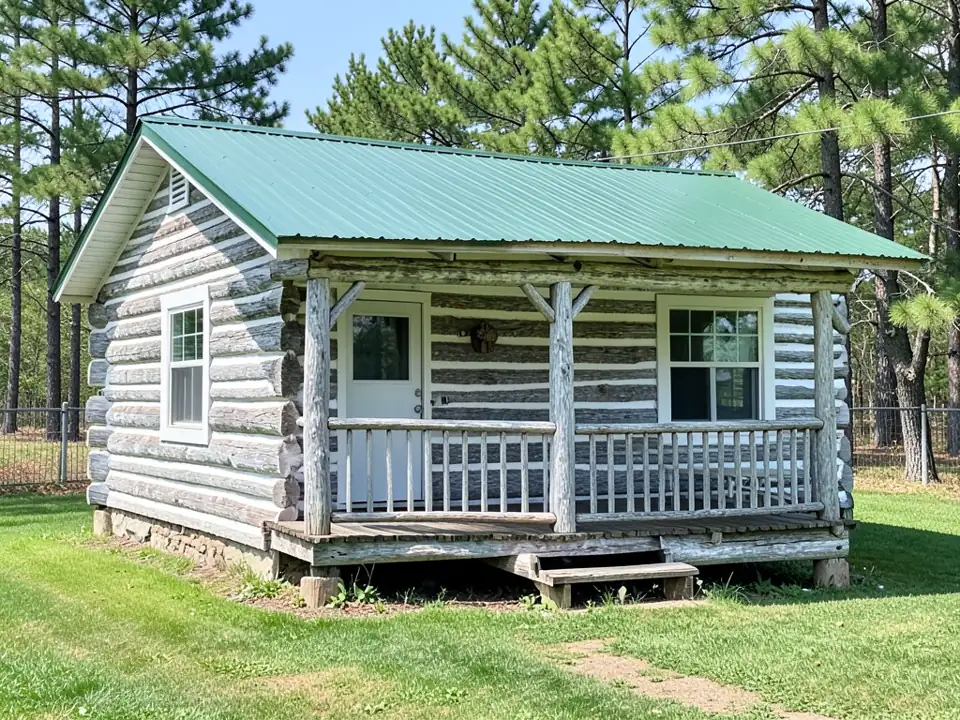 Before
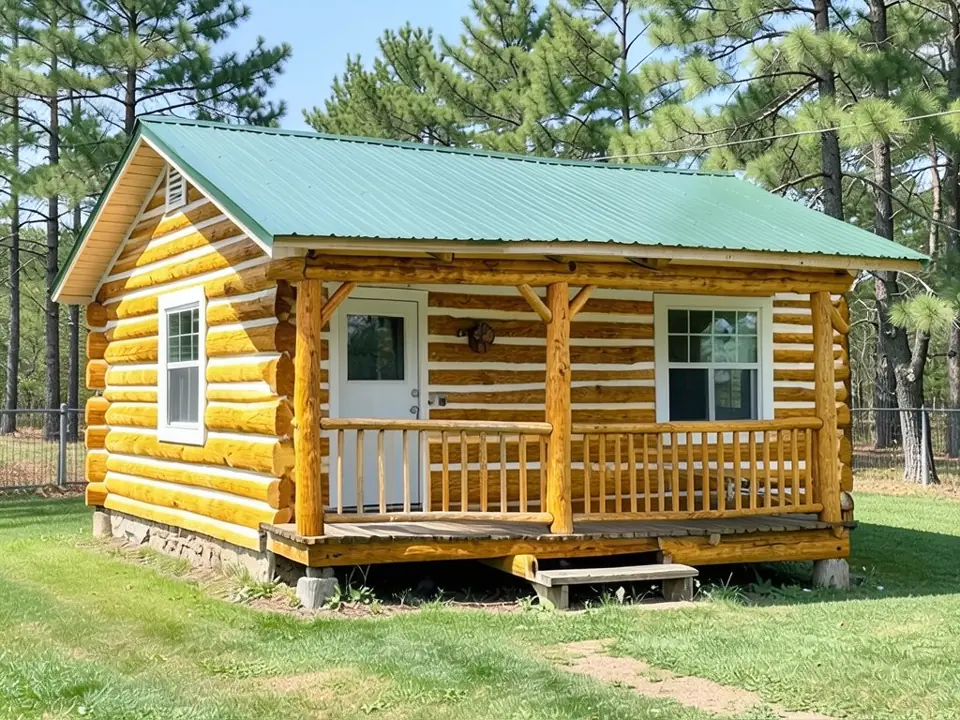 After
After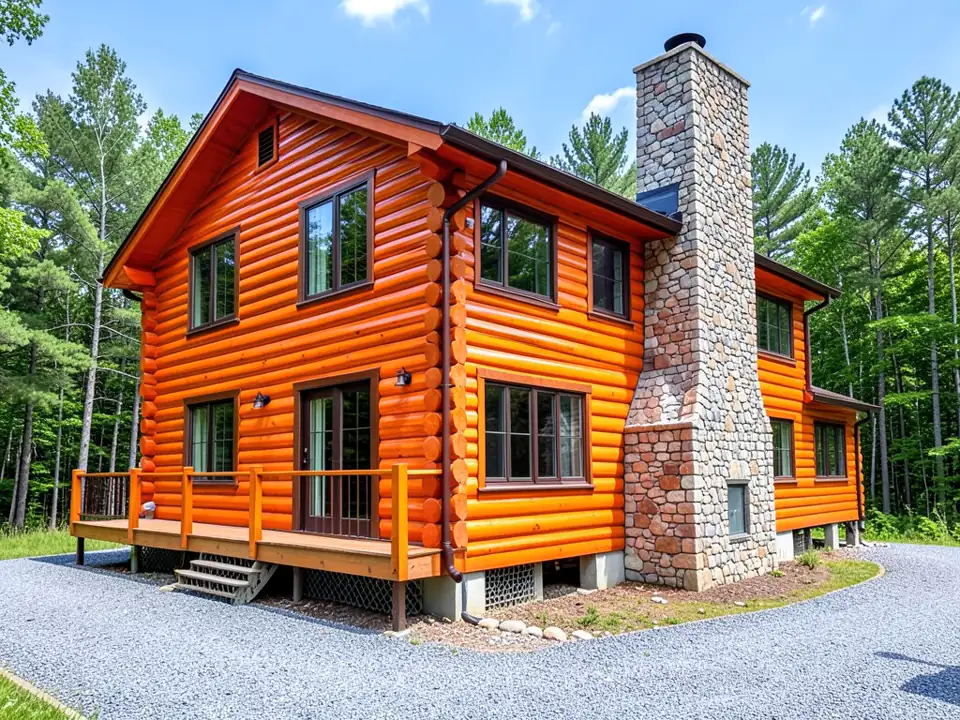 Before
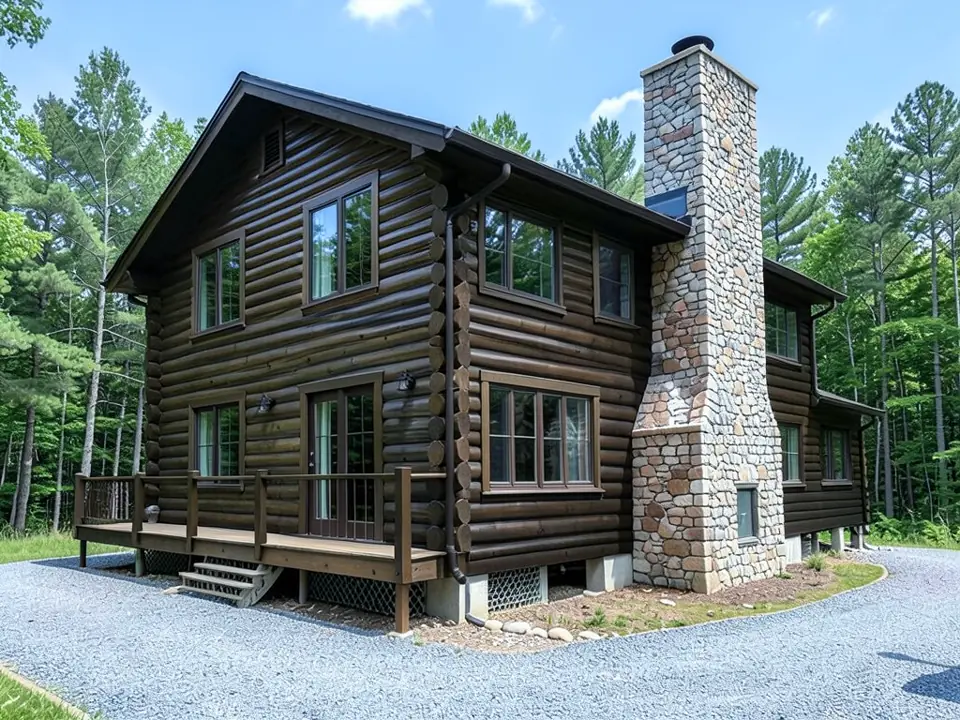 After
After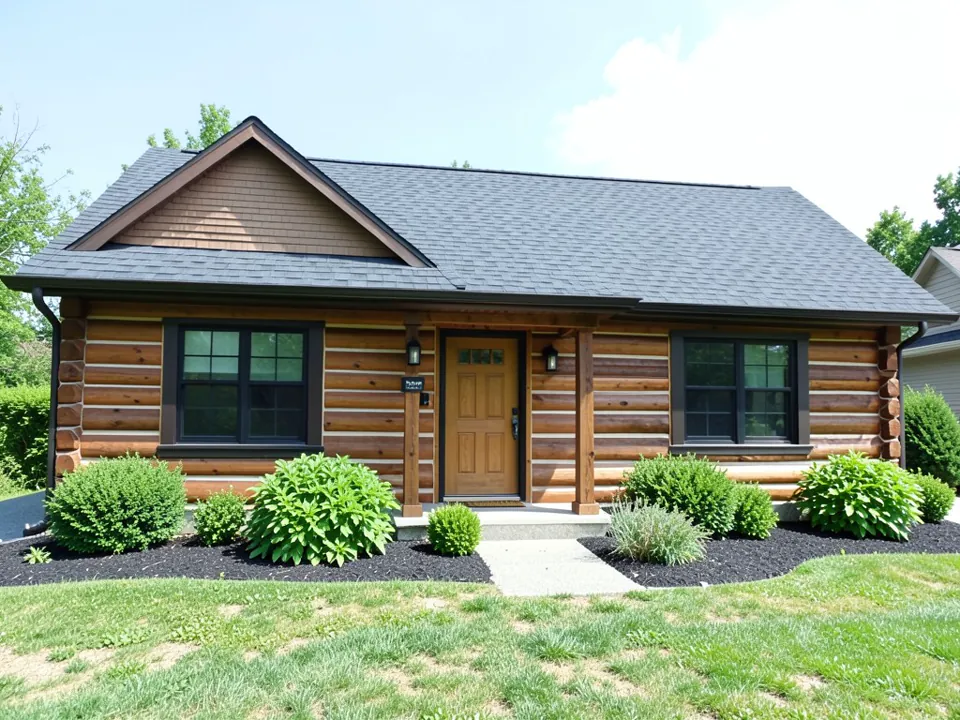 Before
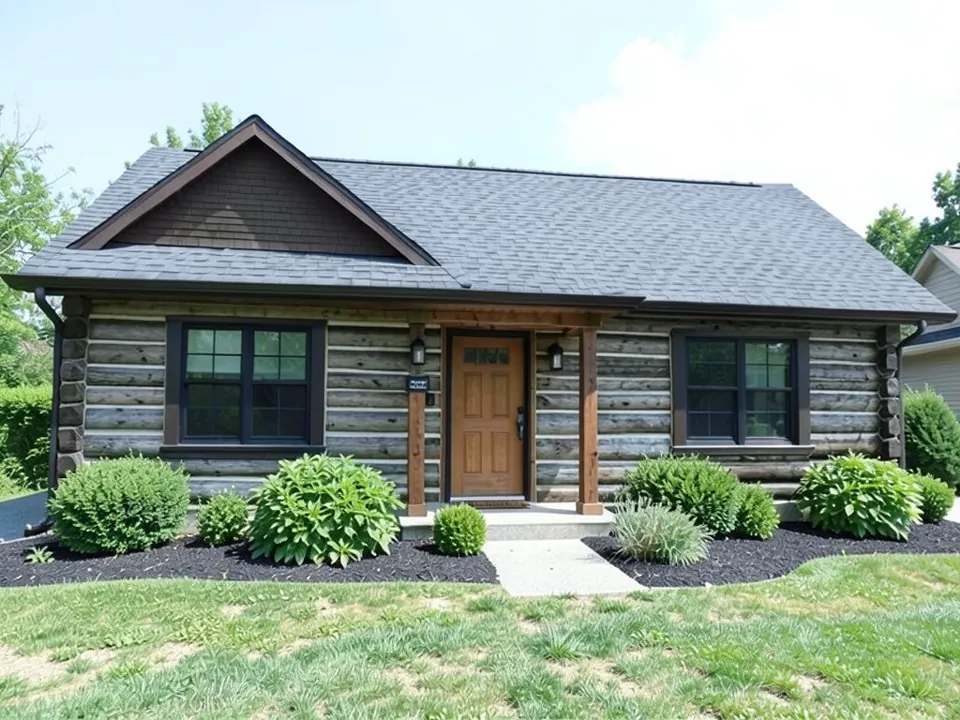 After
AfterHow to Preview a Stain Color on Your Own Logs
Use the paint tool's Custom mode. The Exterior Paint and Interior Paint modes take one color and repaint the whole house or room, so they cannot be told to stain only the logs and keep the chinking, trim and roof. In Custom mode your own sentence becomes the instruction for the AI edit.
- Take one clear photo of the house. Shoot in daylight from the yard, with a whole wall of logs in view and the roof and windows in the frame. Soft, even light shows the real wood color best.
- Open the paint tool and choose Custom. Under "Select Paint Mode", pick "Custom". In the "Custom Paint Requirements" box, say "stain only the logs", name the color, say it is semi-transparent with the grain showing, and list what must stay the same: the chinking, the roof, the window frames, the doors, the chimney and the porch floor.
- Upload the photo and generate. Add your photo under "Upload Image", leave the default AI model or pick another from the "AI Model" list (each shows its credit cost), then press "Generate Paint Design". You will be asked to sign in first if you have not.
- Compare a few versions. Change one thing at a time: lighter or darker, warmer or grayer. If the AI changes the trim, the roof or the deck, run it again and repeat the list of what stays the same.
Four Log Stain Color Families to Compare
Each card has a starting instruction you can paste into Custom mode and adapt. We have not rendered these four, so expect to adjust the wording.
Golden and honey
Light, warm tones close to fresh pine or cedar. They suit cabins in the woods and keep the grain easy to see. On gray, weathered logs they need clean wood to look like this.
Try: "Stain only the logs a light golden honey, semi-transparent so the grain shows. Keep the chinking, the roof, the windows, the door and the porch floor exactly the same."
Cedar and red-brown
A warmer, redder tone that reads as cedar even on other species. It stands out against green trees and can work with a colored metal roof.
Try: "Restain only the logs a red cedar tone, semi-transparent. Keep the white chinking, the green roof, the window frames and the stone chimney exactly the same."
Dark walnut and mahogany
Rich, dark browns with a classic, cozy look. A log home builder pairs them with a lighter roof and lots of landscaping, with a touch of color on the chimney or porch.
Try: "Restain only the log walls a dark walnut brown with a satin finish. Keep the roof, the windows, the doors, the deck and the chimney exactly the same."
Gray-brown and weathered
A brown base with gray notes, for a more modern look. Ask for a brown base in the instruction, or the AI tends to drift to a flat silver gray.
Try: "Restain only the logs a weathered gray-brown with a brown base, semi-transparent. Keep the log ends wooden, the black window frames, the roof and the porch exactly the same."
A Render Is a Preview, Not a Stain Sample
Log stain is see-through. A semi-transparent stain adds color on top of the wood, so the logs' current color, any old finish and gray weathering all show in the result. The AI does not know that: it can paint golden honey onto gray logs or a pale gray onto brown logs as if the old color were not there. In real life, going darker is easy and going lighter usually is not, so ask a log home finisher what your logs need before a big color change.
Your wood changes the color. Stain makers note that the same stain looks different on different species and with different application. Use the render to pick a direction, then sample two or three real stains on your own logs and look at them in daylight.
- Restaining? Match the stain type. If the house already has a stain, the new product must be compatible with it and with your chinking and caulk. A log home builder notes that the choice between oil-based and water-based stain mostly depends on what is on the logs now.
- Look at the whole house. The stain sits next to the roof, chimney, windows and trees. A dark stain can look heavy with a dark roof; a light stain can wash out against a pale one.
- Keep the chinking in mind. White or light chinking makes the log lines stand out more as the stain gets darker. Say in the instruction that the chinking keeps its color.
Have a deck or a metal outbuilding too? The deck stain color visualizer uses the same approach for deck boards, the metal building color visualizer covers barns and shops, the front door color visualizer helps pick a door to go with the new stain, and the exterior design tool restyles the whole outside.
Log Home Stain Colors FAQ
What are the most popular log home stain colors?+
Warm wood tones lead. A log home builder in Pennsylvania lists its customers' favorites as a light wheat tone that keeps the look close to bare wood, a traditional mid-brown (hazelnut), a red cedar tone, a dark mahogany, and a gray with a brown base (Weatherwood Gray). Stain makers' charts follow the same pattern: mostly natural wood tones, with a smaller range of bolder accent colors. Those are product names, so treat them as color families: golden and honey, red-brown and cedar, dark brown, and gray-brown.
Is a clear stain enough to keep the natural log color?+
Log stain makers advise against it. Sashco explains that no clear finish can carry enough UV absorbers to protect the wood, so logs coated only with a clear stain start darkening within months in strong sun, and yellow or gray discoloration is the sign the protection has worn out. Pigment in the stain is where most of the UV protection comes from. If you like the bare-wood look, a light tinted tone is the closer match: one builder describes its light wheat stain as nearly the unstained look, with the protection a clear coat lacks.
Can a log home look gray or modern?+
Yes. Gray log stains exist and are often brown underneath with gray on top, which keeps the wood looking like wood rather than painted. Builders describe them as a way to give a traditional log home a more modern feel. Our third example shows a gray-brown render; note that the AI made it grayer than a real stain over brown logs would likely be.
What roof color goes with a dark log stain?+
A log home builder suggests pairing a dark stain like mahogany with a lighter roof, plenty of greenery, and a pop of color on the chimney or porch, and pairing a mid-brown with a dark roof and stone accents. Red cedar tones can carry a colored roof. The quickest check is to render your own house: the roof, the chimney and the trees are already in your photo.
How do I test a stain color before I commit?+
Get physical samples and try them on your own logs, not just on a chart or a screen. Sashco says to sample stain on your own logs so you know the color to expect, and Perma-Chink suggests testing on scrap wood or a small area of the house first, noting that colors vary with the wood species and how the stain is applied. Use the AI render to narrow it down to two or three colors, then sample those.
Should I use a semi-transparent or a solid log stain?+
The log stain lines from makers such as Sashco and Perma-Chink are mainly see-through: they tint the wood and let the grain show. A solid stain hides much more of the grain and looks closer to paint, which some owners pick to even out patchy or mismatched logs. If your home already has a stain on it, check that the new product is compatible with the old one and with your chinking and caulk before you choose a color, because not all stains and sealants work together.
Does it work on interior log walls?+
Yes. Custom mode takes any photo, so you can upload a living room, loft or kitchen with log walls and ask for a lighter, darker or grayer tone. Name the logs and list what must stay the same, such as the floor, the ceiling, the furniture and the fireplace, because the AI may otherwise change them too.
Is this log stain preview free, and do I need to sign up?+
You need a free account to generate. You can sign in with Google or with a one-time code sent to your email. New accounts in most countries get enough free credits for up to 2 renders, and free renders carry a small watermark. New accounts in India do not get free credits. Paid plans on the pricing page give more renders without the watermark.
Try a Stain Color on Your Log Home
One photo, one sentence about the stain, and a version to compare before you buy samples.