
Try Front Door Colors on Your Own Door
Upload a photo of your entry, type the color you are thinking about, and the AI repaints just the door. Compare navy, black, red or sage green on your real house before you buy a quart of paint.
Free account required. New accounts get 2 free renders (watermarked), then paid plans.
One Door, Three Colors
All three edits start from the same photo (an AI-generated sample entry) and are AI-generated sample edits. The door color is the change to look at; the siding, trim, lights and plants stay put.
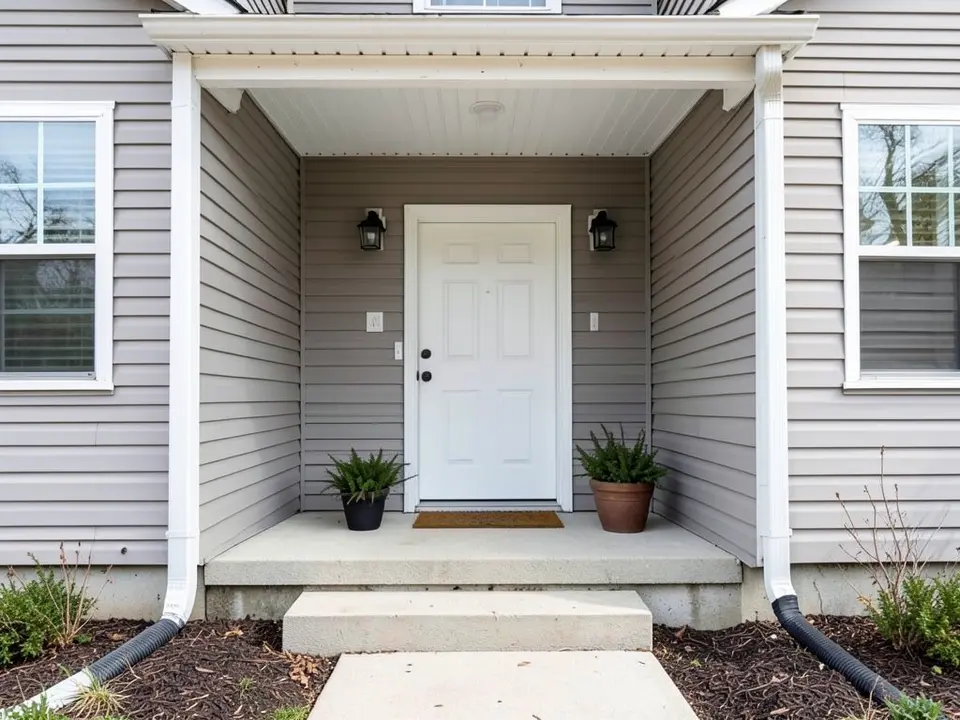 Before
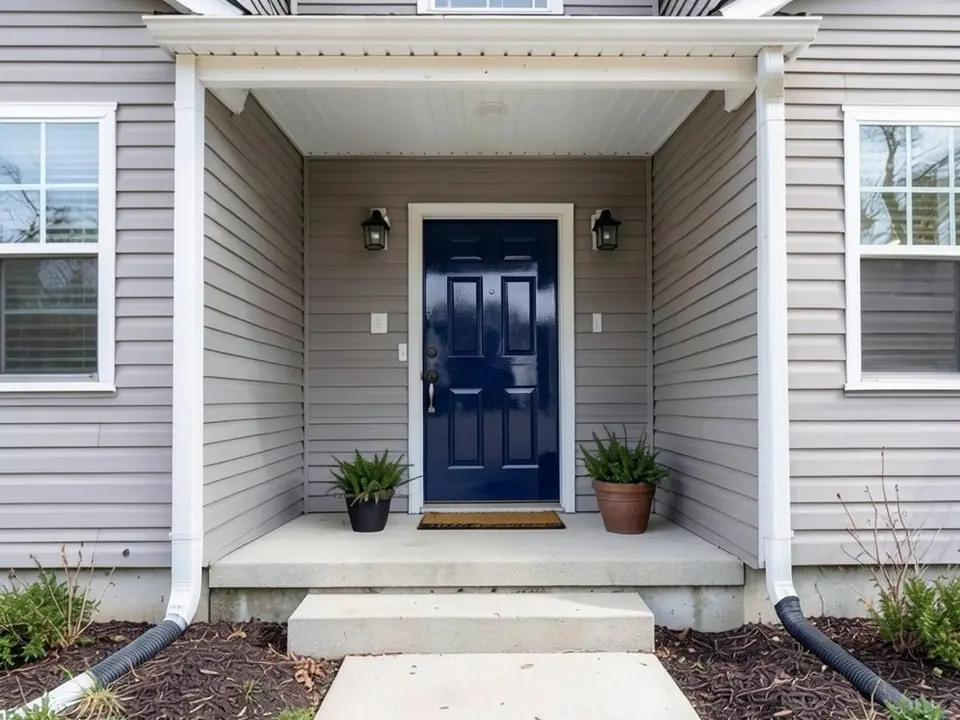 AfterBefore
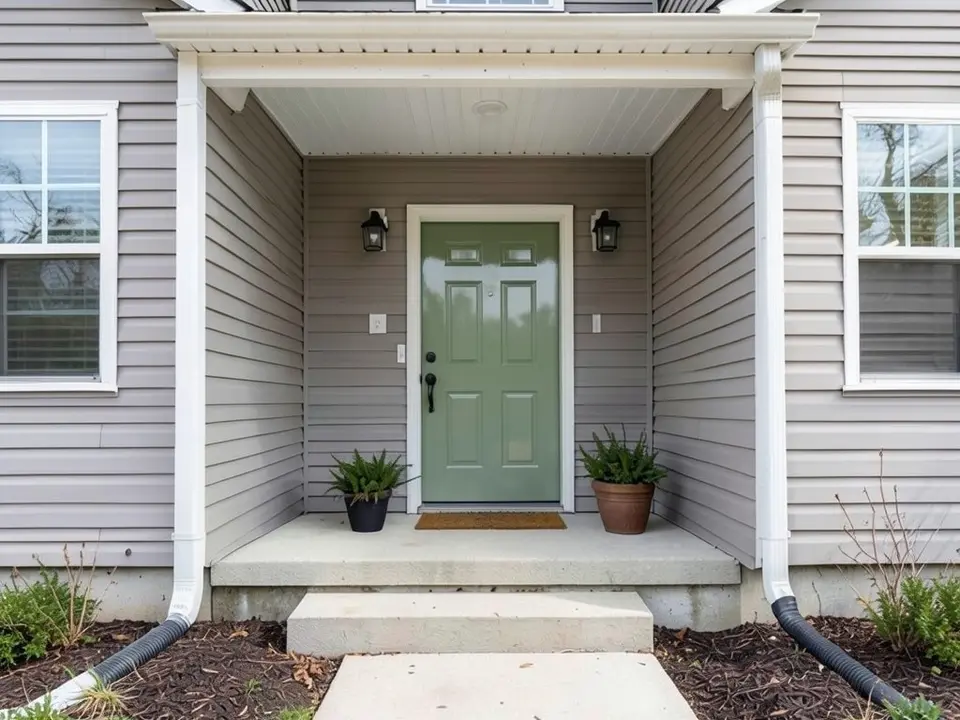 AfterBefore
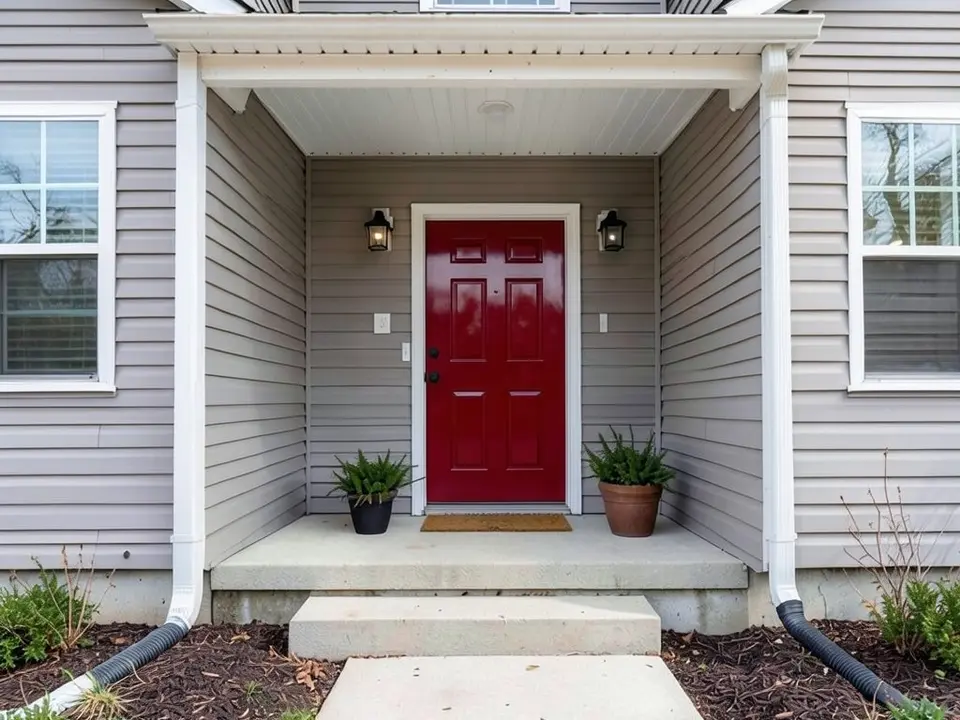 After
AfterHow to Try a New Front Door Color
- Photograph the entry. Stand on the walk a few steps back so the door, its frame, the porch lights and some siding are in the frame. Even daylight works best.
- Open the paint tool in Custom mode. Upload the photo and write a short instruction such as "paint only the front door deep navy blue, semi-gloss, keep everything else the same".
- Swap colors and compare. Run the same photo with two or three shortlisted colors, put the results side by side and pick the one that still looks right from the street.
It is made for homeowners refreshing curb appeal on a small budget, sellers getting a house ready to list, and renters or new buyers who want to settle the color debate before anyone opens a can.
Popular Front Door Colors by Siding and Brick Color
The door is the one place on a house where a strong color is easy and cheap to change. Start from what you cannot easily change: the siding or brick, the roof and the trim.
White or light gray siding
Navy, black, red, sage green, teal or natural wood. Almost anything works, so pick by the mood you want.
Mid or dark gray siding
Red, mustard yellow, deep teal or a crisp black. Avoid a gray that is only a shade off the siding.
Beige, tan or cream siding
Forest green, navy, burgundy or black. Warm-leaning colors sit better than cool, icy ones.
Red or orange brick
Black, navy, deep green, slate blue or stained wood. A red door usually fights red brick.
Painted white brick
Black, natural wood, sage, or a bright accent like coral or blue.
Dark (black or charcoal) house
Natural wood, ochre, orange or red, or a light door for contrast.
Blue siding
White, yellow, red or black.
Two more checks: match the door to the shutters for a calm, tied-together look, or give it its own color for a focal point. And look at the roof. A warm brown roof suits warm door colors such as red, ochre and green better than cool blues. Thinking about a bigger change? Our brick paint visualizer shows painted or limewashed brick on your house.
Choosing a Finish: Gloss, Semi-Gloss or Satin
- High-gloss. The traditional, lacquered front door look. Deep colors like red, navy and black look richest in gloss, and it wipes clean easily. It also shows every dent and brush mark, so prep matters.
- Semi-gloss. The most common choice. Durable and easy to clean, with a soft shine that is more forgiving of small flaws.
- Satin. A low sheen that looks modern and hides brush marks, but it scuffs and marks more easily on a door that gets touched every day.
Whatever the sheen, use an exterior-grade paint and the right primer for the door material: wood, steel and fiberglass each need different prep. Dark colors absorb heat, and many door makers warn that a dark door behind a glass storm door can overheat in direct sun, so check your door's guidance if it faces south or west.
Hardware That Goes With Your Door Color
- Brass or satin brass: classic with navy, black, deep green and red.
- Matte black: modern and farmhouse looks; great on white, sage, wood and bright colors.
- Satin nickel or chrome: cooler colors such as gray, blue and teal.
- Oil-rubbed bronze: warm colors such as red, burgundy, green and stained wood.
Keep the house numbers, porch lights and mailbox in the same metal family as the handle so the entry reads as one design. When you paint, take the hardware off rather than taping around it, clean and lightly sand the door, paint panels before the flat areas, and leave the door open until it is dry to the touch.
Front Door Color Visualizer FAQ
Is the front door color visualizer free?+
You need a free account to generate. New accounts in most countries get enough free credits for up to 2 renders, and free renders carry a small watermark. Paid plans on the pricing page give more renders without the watermark.
Do I need to sign up?+
Yes. Rendering requires an account. You can sign in with Google or a one-time code sent to your email.
How do I make sure only the door changes?+
Use Custom mode and say what to keep, for example "paint only the front door navy blue, keep the frame, siding, lights and plants exactly the same". If something else shifts, run it again or make the instruction more specific.
Can I try the same door in several colors?+
Yes. Upload the same photo and change only the color word each time. Each render uses credits, so shortlist two or three colors first and compare those side by side.
What photo works best?+
Stand on the front walk, a few steps back, so the door, frame, lights and some siding are in the shot. Even daylight with no harsh shadow across the door gives the most realistic result.
Will the paint at the store match the render?+
Not exactly. The render shows the overall effect, but screens and daylight change how colors read. Buy a sample, paint a board, and hold it against the door at different times of day before you paint.
Can I preview new hardware or a storm door too?+
You can describe it in Custom mode, for example "change the handle to a matte black lever". Small hardware details are harder for AI to get right than color, so use those renders as a rough idea.
Pick Your Door Color With Confidence
Upload one photo of your entry and compare colors before you paint.