
Try Shutter Colors on a Photo of Your House
Upload a photo of the front of your home, tell the AI which color to paint the shutters, and compare black, navy, hunter green or any shade on your own house before you buy paint or new shutters.
Free account required. New accounts get 2 free renders (watermarked) in most countries, then paid plans.
Shutter Colors Before and After
AI-generated sample edits. The before photos are AI-generated sample houses; the house, camera angle and light stay the same and only the shutter color changes.
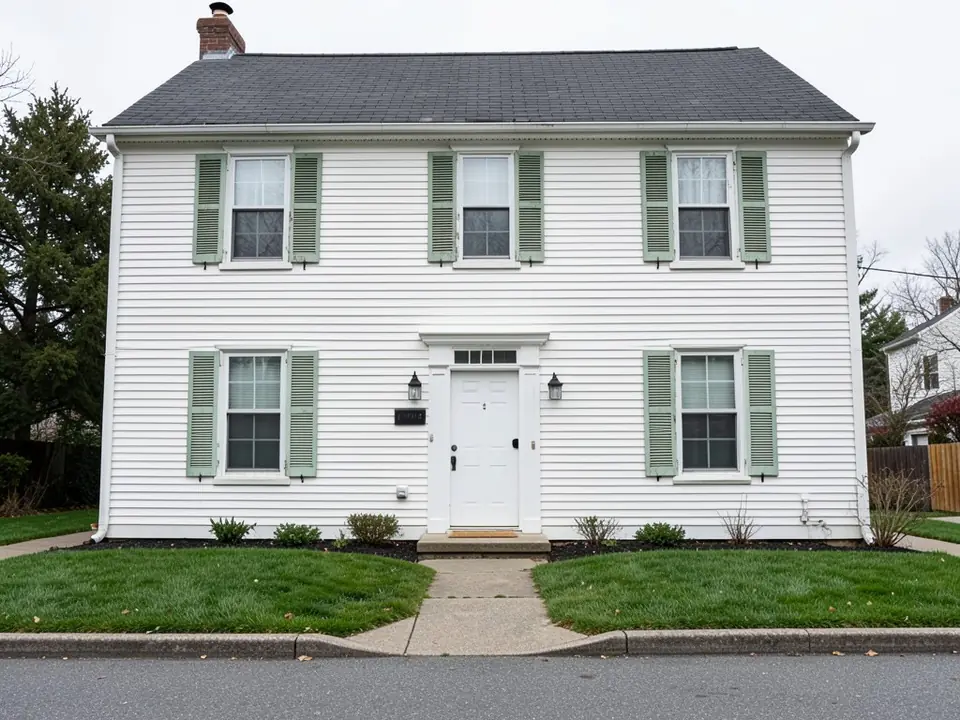 Before
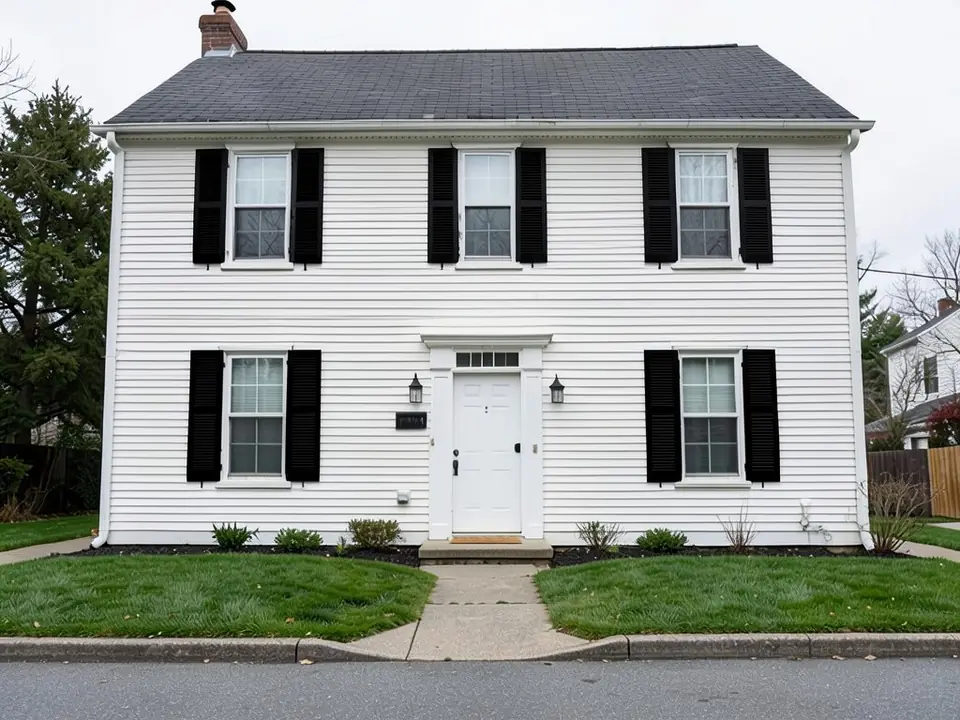 After
After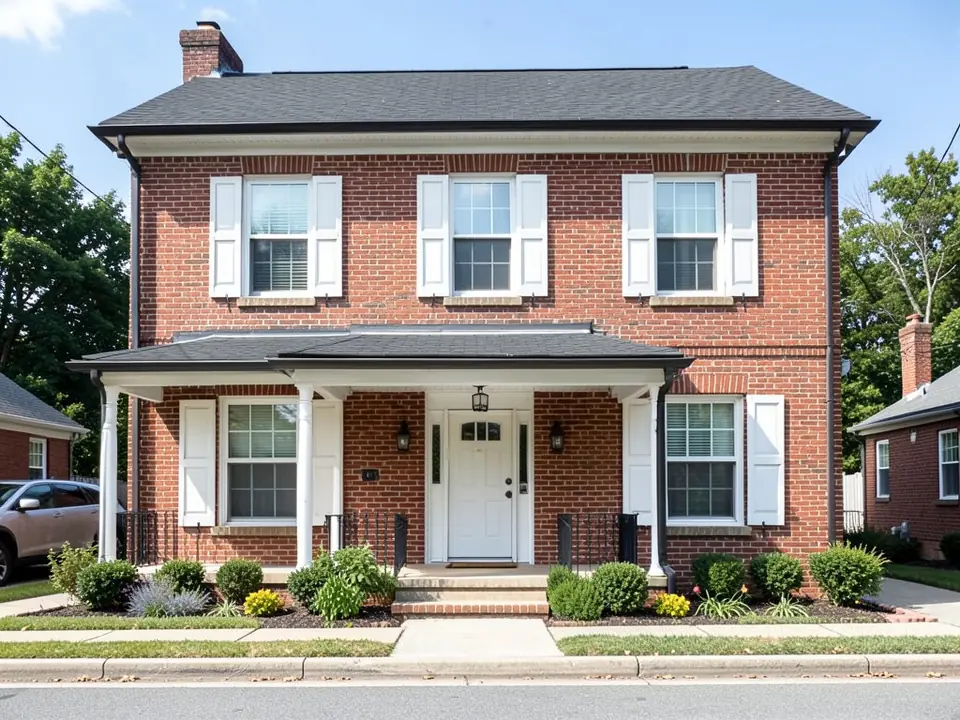 Before
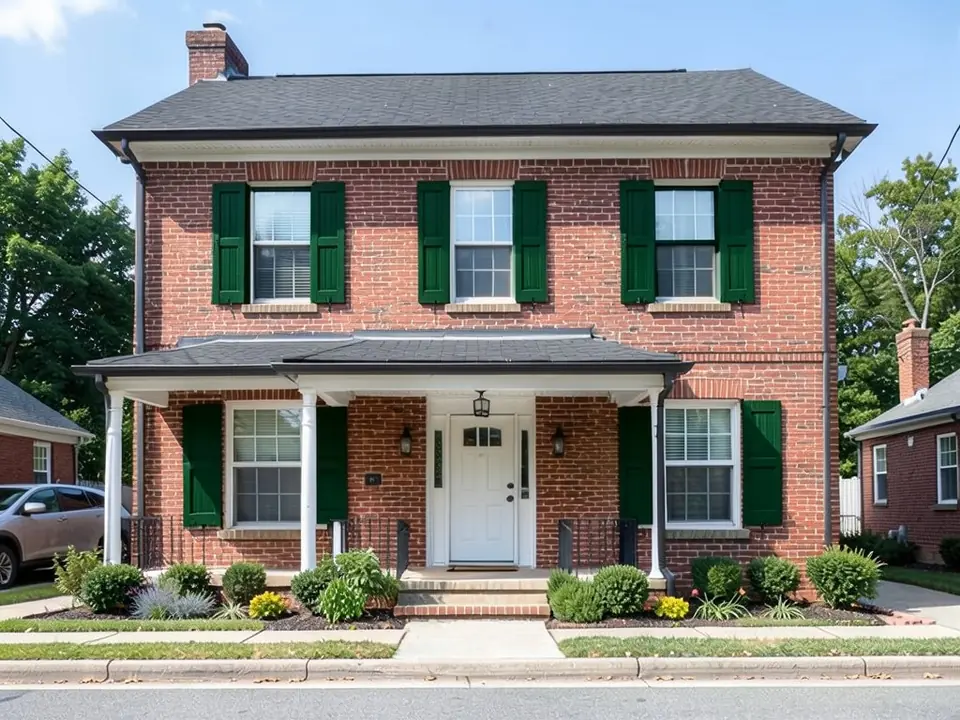 After
After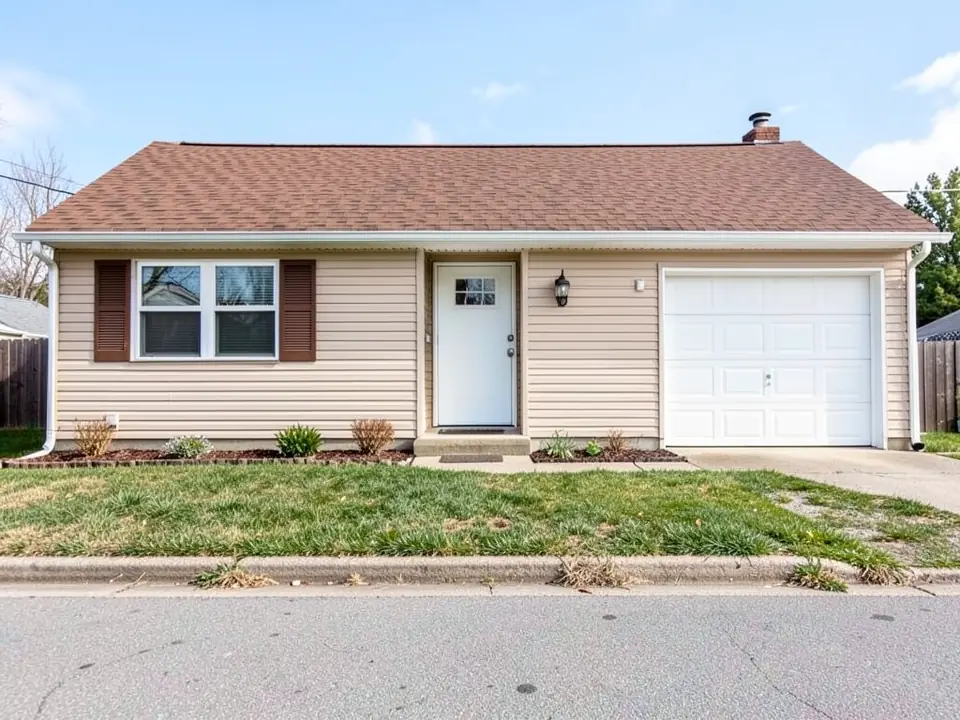 Before
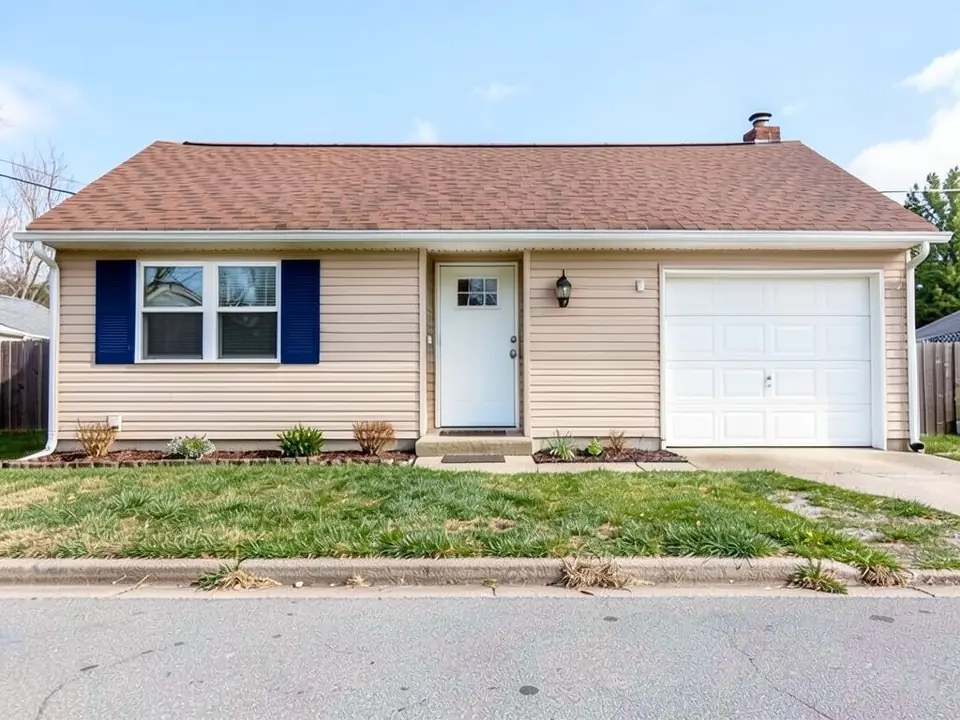 After
AfterHow to Preview New Shutter Colors on Your Home
- Take a straight-on photo. Stand across the street or at the end of the driveway so every shutter is in the frame. Soft daylight or an overcast sky gives the most even result. A recent listing photo works too if it shows the house as it is now.
- Open the paint tool in Custom mode. Upload the photo and describe the change in one sentence, for example: "Repaint only the shutters in deep navy blue. Keep the siding, trim, front door, roof and windows exactly the same." Naming what must stay the same keeps the edit on the shutters.
- Render a short list and compare. Try two or three colors, download each result and look at them side by side, or send them to your partner, HOA or painter. Then paint a test board in the winner and hold it against the house before you commit.
It is useful for homeowners refreshing curb appeal on a budget, for sellers who want a quick, cheap upgrade before listing, and for painters and shutter installers who want to show a client the idea before any work starts. If you want to change the siding or brick color too, use the exterior paint tool for the whole house.
Shutter Color Ideas by House Color
White house
Black is the classic: crisp and formal on colonials and farmhouses. A soft off-black or charcoal reads less harsh. Navy and muted blue feel coastal, hunter green feels traditional, and sage or a gray-green feels softer and more cottage-like. Check the undertone of your white: cool whites suit blue-leaning colors, warm whites suit warmer greens and browns.
Red or orange brick
Black, deep hunter green and cream are the safe pairings. Look closely at the brick: pick out a dark tone in the brick or mortar and go one step deeper, or echo the mortar color for a quieter look. Bright white shutters on red brick give strong contrast but show dirt quickly.
Beige, tan or cream siding
Beige gives you range. Navy, slate blue, forest green and dark brown all add contrast; black looks sharp but can feel heavy on a small ranch. If the roof is brown, a warm green or brown usually sits better than a cool gray. Swapping dated brown shutters is one of the cheapest ways to update a tan house.
Gray, blue or yellow house
On gray siding, black, charcoal or white keep it clean, and a deep red or burgundy adds warmth. A blue house usually suits white, black or a much darker navy. A yellow house works with black, white, deep green or a muted blue. These are starting points, not rules: your roof and stone matter as much as the siding.
How to Choose a Shutter Color That Works
- Start with what you are not changing. The roof, brick or stone, window frames and gutters stay. A shutter color that fights a brown roof or tan window frames will look wrong however good it looks on a chip.
- Decide on contrast. Dark shutters on light siding (or light on dark) make the windows stand out. A shade only a little darker than the siding, tone on tone, looks quieter and more modern.
- Plan the door and shutters together. Either match them, or let the door be the one bold color and keep the shutters neutral. Three competing accent colors on one front rarely works. Our front door color visualizer helps with the door half of that decision.
- Fit the style of the house. Black and dark green suit colonials and Georgians, blues and sea greens suit coastal and Cape Cod homes, sage and muted earth tones suit cottages and craftsman homes, and board-and-batten shutters in black or a wood tone suit modern farmhouses.
- Remember sun and fading. Strong colors such as red and bright blue fade fastest on sunny walls, and dark colors get hot. In full sun, a slightly muted shade often ages better.
- Check the rules. Historic districts and some HOAs approve exterior colors. A few renders are an easy way to show them what you want.
Before You Paint Your Shutters
- Take the shutters down if you can. It is easier to paint them flat, and you won't get paint on the siding.
- Wash off dirt, mildew and chalky residue, rinse, and let them dry completely.
- Wood shutters: scrape loose paint, sand lightly, spot-prime bare wood and use an exterior paint.
- Vinyl shutters: use a paint labelled for vinyl, and avoid colors much darker than the original unless the paint is rated vinyl-safe for them, since dark colors can make vinyl warp in the sun.
- Louvered shutters are slow to brush. An exterior spray paint suited to the shutter material (wood, vinyl or composite), or a paint sprayer, gives a more even coat.
- On an older house, test existing paint for lead before you sand or scrape.
- Correctly sized shutters look like they could cover the window: each one about half the window's width and the full height of the window. If yours don't, new shutters may be worth pricing alongside paint.
If you have a brick house and are thinking bigger than shutters, see how the whole front would look with the brick paint visualizer.
Shutter Color Visualizer FAQ
Is the shutter color visualizer free?+
You need a free account to generate. New accounts in most countries get enough free credits for up to 2 renders, and free renders carry a small watermark. After that, paid plans on the pricing page give you more renders without the watermark.
Do I need to sign up?+
Yes. Rendering requires an account so your credits and results can be saved. You can sign in with Google or a one-time code sent to your email.
Will it change only the shutters?+
That is the goal, and you get the best results when you say so in the instruction, for example "repaint only the shutters navy blue, keep the siding, trim, door and roof the same". It is an AI edit, not a mask, so check the result. If something else changed, run it again with a clearer instruction.
Can I try a brand's exact paint color?+
You can type any color name or description, but the render is an approximation, not a product match. Screens, camera white balance and daylight all change how a color reads. Before you buy, paint a sample on a shutter or a scrap board and look at it beside the house in morning and afternoon light.
Can it show my house with shutters it doesn't have yet, or without them?+
You can describe either in Custom mode, for example "add black louvered shutters to the upstairs windows" or "remove the shutters". The AI draws its best guess, so treat it as a preview of the idea and check sizes with a real measurement before you order.
What photo works best?+
A straight-on photo of the front of the house in daylight, taken from the street or the end of the driveway, with every shutter in the frame. Overcast light is ideal because there are no hard shadows. Trees or cars covering the windows make the result less reliable.
Should shutters match the front door?+
They don't have to. Matching the door and shutters gives a calm, tied-together look. A different door color, such as red or yellow with black shutters, turns the door into the focal point. Render both and compare them side by side.
Can I paint vinyl shutters?+
Yes, with a paint made for vinyl. Clean them well, and don't go much darker than the original color unless the paint is labelled vinyl-safe for that shade, because dark colors absorb heat and can make vinyl warp. Check the shutter maker's guidance first.
See Your Shutters in a New Color
Upload one photo and compare a few shutter colors before you pick up a brush.