
Preview Cabot Stain Colors on Your Own Deck or Siding
Cabot sells the same color names in several opacities, and one name can look very different in each. Upload a photo of your deck, fence or siding, describe the shade and how much grain should show, and see the look before you buy a sample.
Free account required. New accounts get 1 free render (watermarked), then paid plans.
Not affiliated with Cabot. Colours are AI approximations; check real samples before you buy.
Try it on your own photo
Upload a photo of the wood and describe the stain: the shade, and whether the grain should show (transparent or semi-transparent) or be hidden (solid). Say what must stay, such as the house, the windows and the lawn.
Cabot-Style Stain Looks, Before and After
AI-generated sample edits. We described each stain look in plain words; we did not apply a Cabot product, and the image model does not know Cabot’s colour chart, so these renders are not Cabot colours. The before photos are AI-drawn stand-in scenes, not photos of real homes. Each edit was run once, and each caption shows the exact instruction we typed, what changed and what the model got wrong. The samples were made with an image model and settings that may differ from the live paint tool, so your own render may look different.
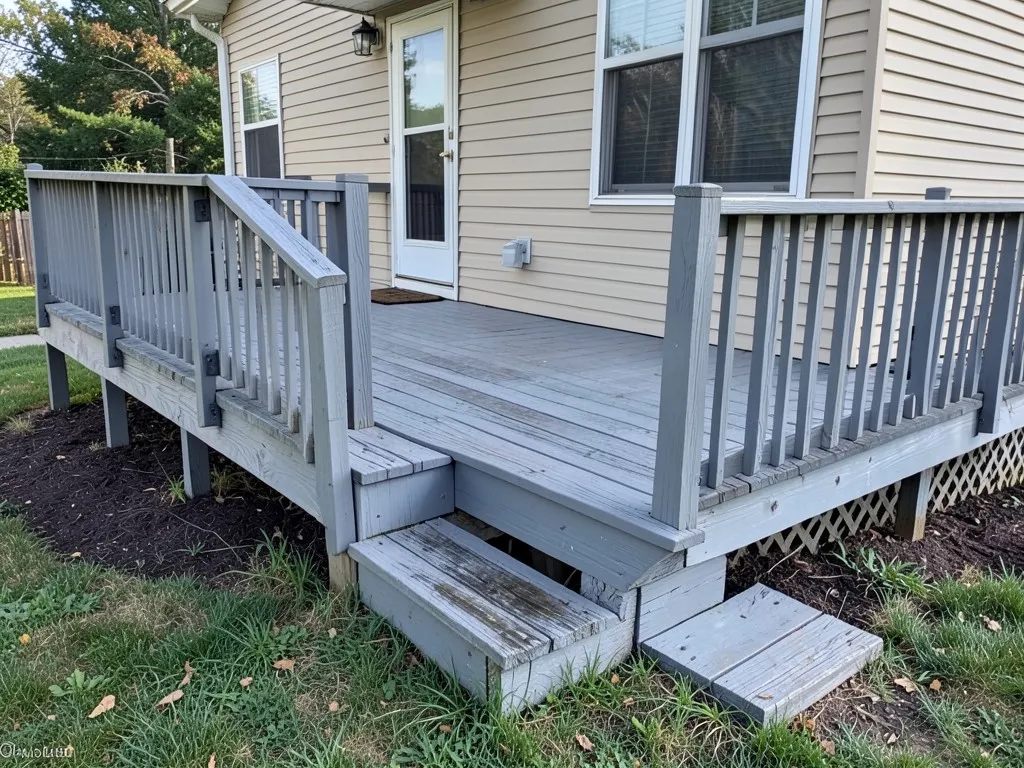 Before
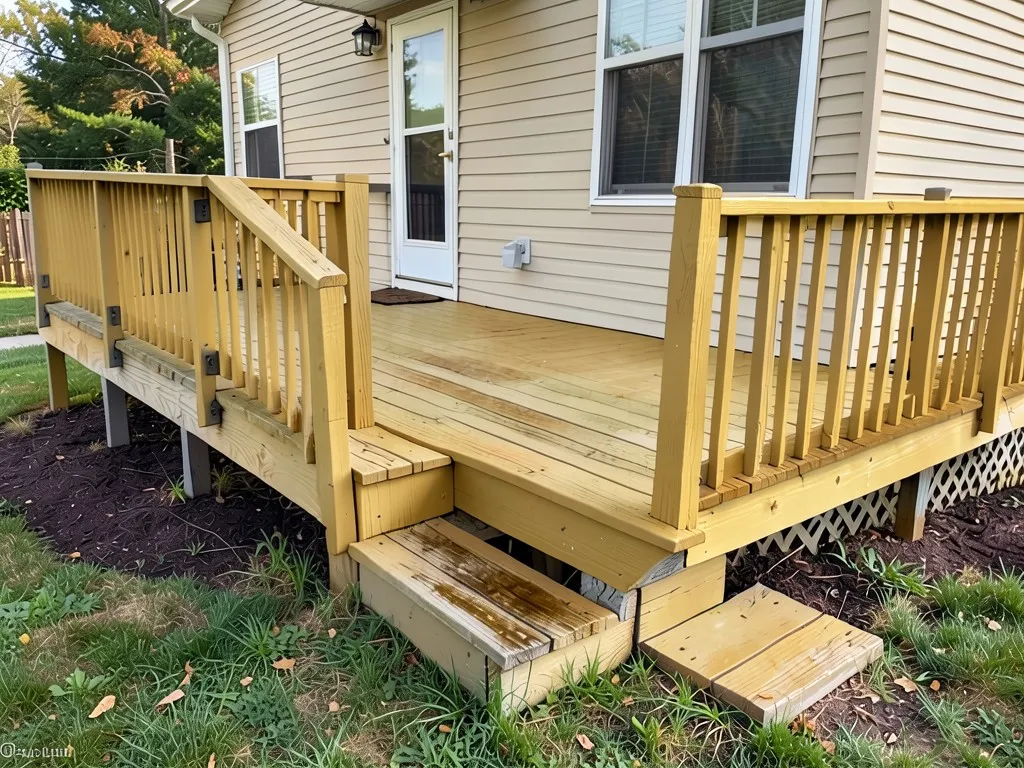 After
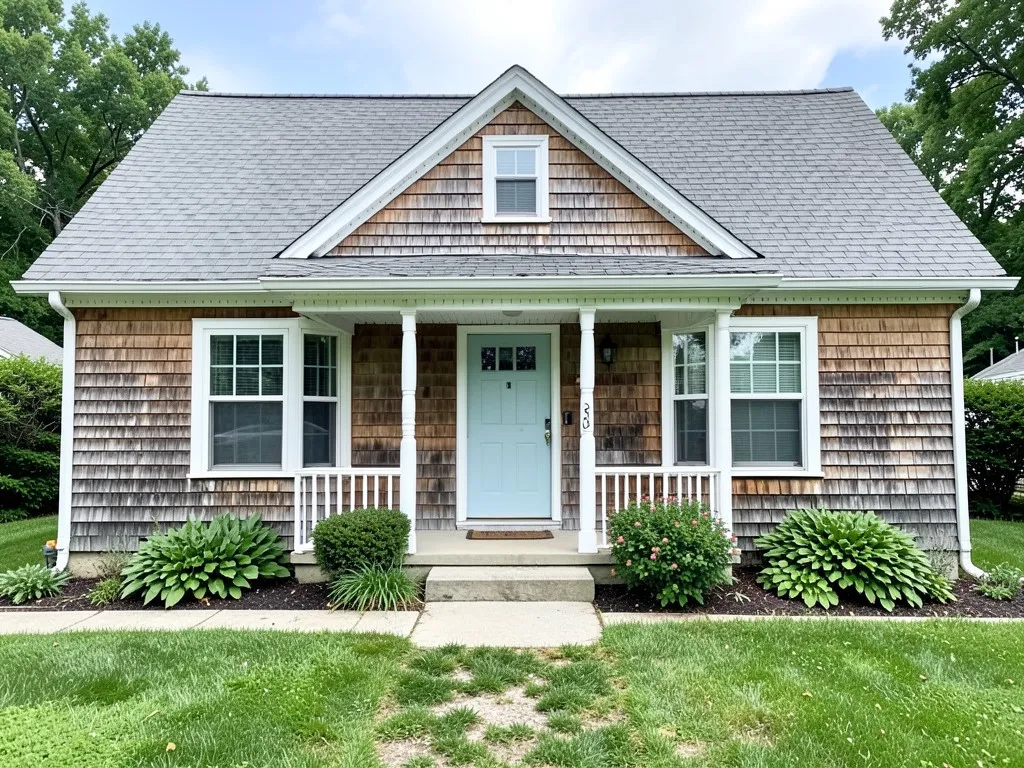 Before
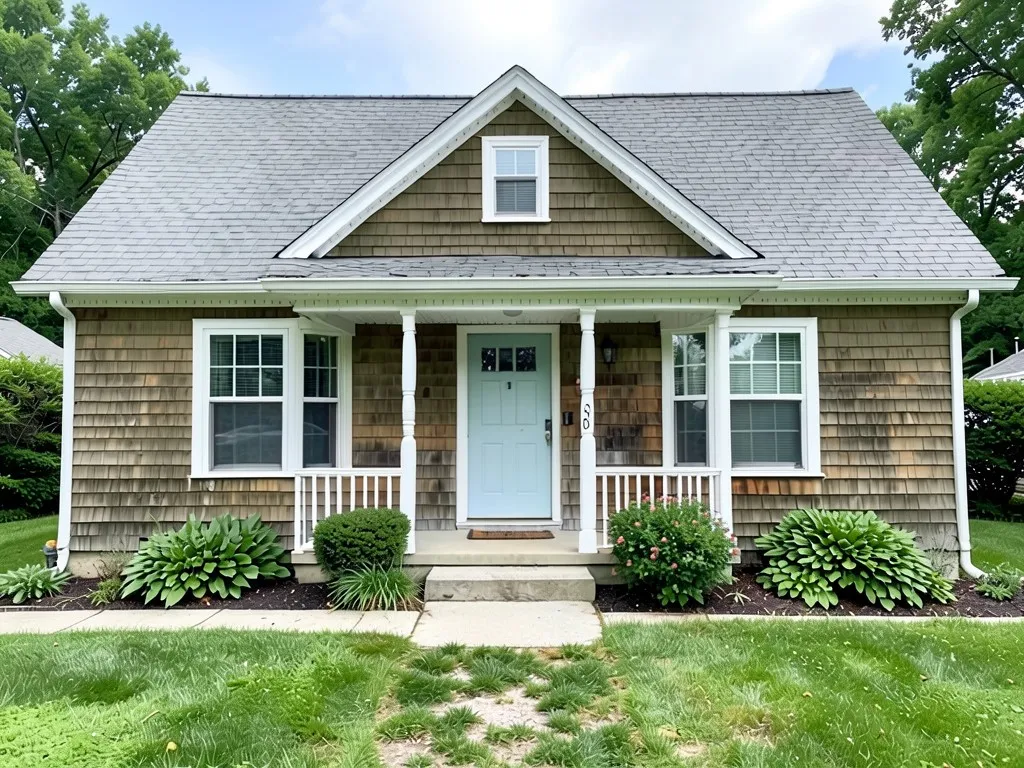 After
How to Preview a Cabot Stain Color on Your Photo
- Photograph the wood in even light. Shoot the deck, fence or siding on an overcast day so shadows and sun glare don’t hide the grain. Get the whole surface you plan to stain in the frame.
- Describe the shade and the opacity. In Custom mode, type something like: “Stain only the deck boards and railing a semi-transparent golden mid-brown so the wood grain still shows. Keep the house and the lawn the same.” The model does not know Cabot’s chart, so describe the look in words.
- Render one shade in two opacities. Because Cabot uses the same names across semi-transparent, semi-solid and solid, render your favorite as both a grain-showing and a solid look. Then buy samples of the real colors and test them on the wood.
For any deck or fence, try the deck stain color visualizer. For cedar siding, see the cedar siding stain colors page, and for other brands compare Ready Seal and TWP colors.
Cabot Stain Colors by Opacity
Transparent
Cabot’s browse-colors page lists 12 transparent colors, including Natural, Heartwood, Pacific Redwood and Mahogany Flame. Transparent stain shows the most grain and changes the wood color the least.
Semi-transparent
Most of Cabot’s color names, such as Acorn, Bark Mulch and Burnt Hickory, come in semi-transparent, which tints the wood while the grain still shows. Cabot’s exterior stains page says semi-transparent and semi-solid come in about 100 colors.
Semi-solid and solid
The same names also come in semi-solid and solid, which hide more of the grain. Examples include Driftwood Gray, Cordovan Leather and Black. Cabot lists Cashmere Brown, Equestrian Brown and Hampton Gray as solid only.
Acorn, the 2026 color
Cabot names Acorn its 2026 Color of the Year. Our rough description is a soft golden mid-brown, but check the official swatch: the same name looks lighter and shows more grain in semi-transparent than in solid.
Before You Choose a Cabot Stain Color
- Pick the opacity first, then the color. One Cabot name can look very different in semi-transparent and solid, so always note which one you mean.
- Look at the official swatch for each opacity on Cabot’s browse-colors page, not only the color name.
- Test on the same wood. New pine, weathered cedar and old gray boards take the same stain differently.
- Our color descriptions on this page are our own words, not Cabot’s. Check each one against the real swatch.
- In the tool, name every part you want stained and every part that must stay, because the model only changes what you describe.
Cabot Stain Colors FAQ
Is it free to try?+
You need a free account to generate. New accounts get 1 free render, and free renders carry a small watermark. After that, paid plans on the pricing page give you more renders without the watermark.
Do I need to sign up?+
Yes. Rendering requires an account so your credits and results can be saved. You can sign in with Google or a one-time code sent to your email.
How many Cabot stain colors are there?+
It depends on the opacity. Cabot’s browse-colors page lists 12 transparent colors and about 90 names shared by semi-transparent, semi-solid and solid, and its exterior stains page says semi-transparent and semi-solid come in about 100 colors. Check Cabot’s site for the current list.
Why does the same Cabot color look different on two decks?+
Because the opacity and the wood change the result. A semi-transparent stain lets the wood’s own color and grain through, while a solid one covers it. The age and species of the wood matter too.
Can the tool show an exact Cabot color?+
No. The image model does not know Cabot’s color chart. Describe the shade in words, such as “a soft golden mid-brown,” and use the render to compare looks, then confirm with a real Cabot sample.
Which Cabot colors are solid only?+
Cabot lists Cashmere Brown, Equestrian Brown and Hampton Gray as solid-only colors on its browse-colors page.
Will the render match the real stain?+
No. A render shows a color idea, not the real product. Stain color depends on the wood species, its age, how much it absorbs and how many coats you apply. Test the real stain on a hidden board or a spare piece of the same wood before you do the whole job.
Sources
- Cabot: Browse colors – colors by opacity
- Cabot: Exterior stains – product lines, about 100 colors in semi-transparent and semi-solid
- Cabot home page – Acorn, 2026 Color of the Year
Related Color Visualizers
- Deck stain color visualizer – decks, fences and railings
- Wood stain visualizer – any wood surface
- Cedar siding stain colors – stain on cedar siding
- Log home stain colors – stain on logs
- Fence paint and stain colors – fences
- Stain colors for pine – pine boards
- Ready Seal stain colors – 8 colors
- TWP stain colors – 100 and 1500 Series
- Sikkens stain colors – ProLuxe SRD
- Pergola stain colors – pergolas
See a Cabot-Style Stain on Your Own Wood
Upload one photo of your deck, fence or siding and compare a few stain looks before you buy samples.